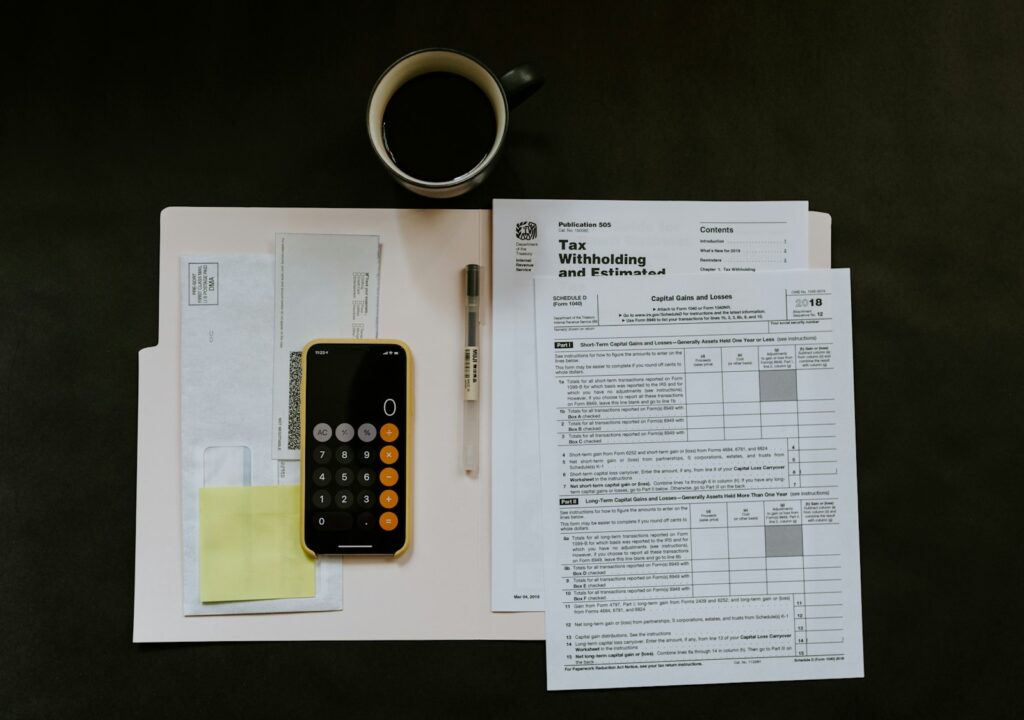
A year end accounts checklist is the difference between a tidy set of accounts and a month of chasing paperwork. The accounts, the corporation tax return and the Companies House filing all start from the same figures, so the work is done once if the records are complete.
What to pull together
Start with the bank. Every account the company uses should be reconciled to the statement at the year end, including savings and the director loan account. Then list sales invoices that have not been paid, and supplier bills that the company still owes. Those two lists change the profit even when the cash has not moved yet.
Stock, if you hold any, needs a count at the year end. Equipment bought in the year needs the invoice, because the tax treatment depends on what it was and when it was bought. Payroll reports, VAT returns and any pension contributions should already match the bookkeeping. If they do not, fix that before the accounts are drafted.
The director items people forget
Money you have put into the company, or taken out, belongs on the director loan account, not as a sale or a random expense. Dividends need a record that there was enough profit to pay them. Use of a home office, a company car or a personal cost paid by the company should be flagged so it is treated correctly.
When to do it
The useful time is the month after the year end, not the week the filing is due. Private company accounts are normally due nine months after the year end, and the corporation tax is often due before the accounts are. Leaving it late means you pay the tax before you have had a chance to plan.
Year-end accounts are included in our Small Business package from £150 a month and our Growth package from £250 a month. The detail is on the year-end accounts page and the packages page. If your year end is close, ask us for a review.