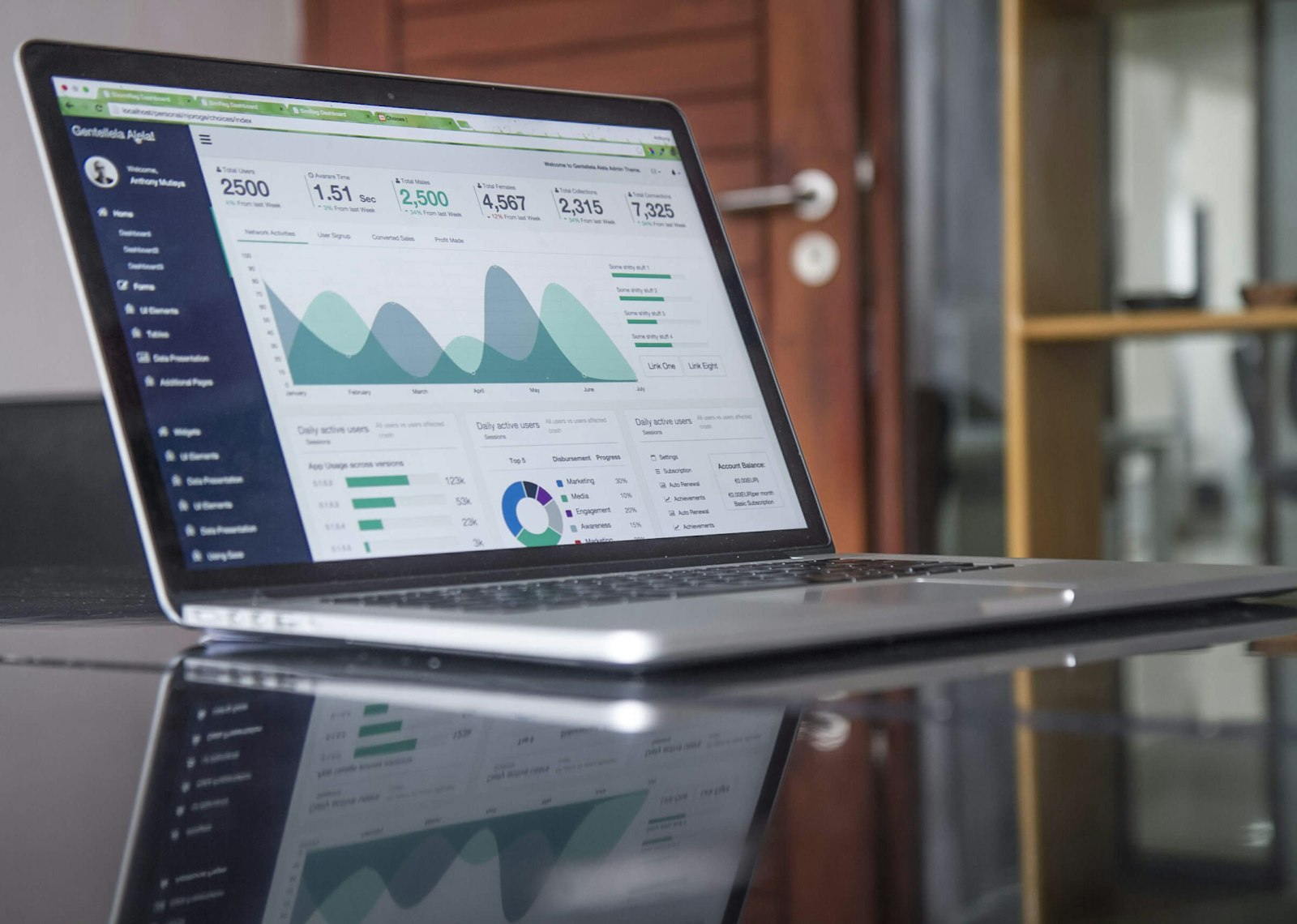
Making Tax Digital for VAT already applies to VAT-registered businesses. You keep digital records of your VAT and you file each return through software that talks to HMRC. Paper returns and typing the nine boxes into the HMRC website are no longer the normal route.
Who it covers
If you are VAT registered, you are in. That includes businesses that registered because turnover went over the threshold, and businesses that registered early by choice. You must register once taxable turnover in a rolling 12 months goes over £90,000. You can register below that if you want to reclaim VAT, but then Making Tax Digital for VAT applies to you as well.
What the software has to do
The records of sales and purchases that feed the return have to be digital. The return itself has to be sent from compatible software, or through a bridge that HMRC accepts. A spreadsheet can still be part of the working papers if it is linked digitally to the filing software. Keeping a spreadsheet and then copying the totals into the government gateway by hand does not meet the rule.
How to keep the return boring
Code VAT on the invoice when you raise it, not the night before the deadline. Reconcile the VAT control account to the return. The usual errors are a bill entered gross when it should be net, a sale to a UK customer treated as outside the scope, and a return filed from software that was never connected to HMRC.
We file VAT returns from Xero as part of ongoing bookkeeping. If you are about to cross £90,000, or you are registered and still filing by hand, book a free accounting review.